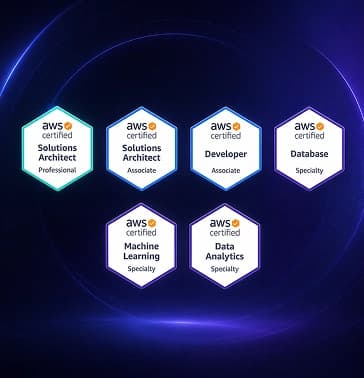
AWS Certified Team
Certified Cloud Deployment
We build conversational AI solutions including AI chatbots, virtual assistants, and support copilots that handle real customer conversations 24/7. Our conversational AI agents surpass scripted responses to deliver real answers across every channel and in any language.
Advice you can act on the same week · Priced to the outcome · You own what we build
Trusted by teams putting conversational AI into production













Conversational AI is software that understands a request in plain language, works out what the person actually needs, and acts on it. Instead of matching keywords to a scripted reply, it reads intent, retrieves the answer from your own systems, and either completes the task or hands it to a person with the context attached.
The Numbers Behind Our Expertise
Projects Shipped
Years of Expertise
Global Clients
Certified Service Partner
At Pinnasys, we consider conversational AI a productive implementation over an experiment. From customer-facing chatbots to internal support copilots, our experts build conversational AI systems that enhance communication and conversion.
These are the five problems worth solving before you invest in AI-driven conversations for your business. If none of them apply to your operation, that's worth knowing before you spend anything.
Repetitive queries and routine requests consume hours your team could spend on conversations that require real judgment. A conversational AI solution handles the repeatable work accurately, every time, without fatigue.
A scripted flow treats every customer identically, regardless of history, intent, or channel. A conversational AI platform reads context from your existing systems and responds to what each customer needs.
Inbound interest left sitting in an inbox until morning is interest a competitor answers first. Conversational AI agents qualify the lead and schedule the meeting the moment someone reaches out.
Internal teams lose hours each week to repetitive policy and process questions that don't need a human touch. Conversational AI employee support resolves them instantly, keeping your workforce focused on higher-value work.
Headcount-based support scales linearly with volume, and margins shrink as you grow. Conversational AI for business absorbs repeat volume without added headcount, so cost per contact falls as you scale.
A cheaper conversation, a faster answer, and hours back for the people you already employ. With a conversational AI assistant, the same support operation, before and after the conversations that repeat every day, is handled properly.
| Measure | Without conversational AI | With conversational AI |
|---|---|---|
| Response time | Minutes to hours, and longer whenever volume spikes. | Seconds, and the same at 3am as at 3pm. |
| Out of hours | Voicemail or a queue until someone is back at a desk. | Answered, and usually resolved, before your team logs in. |
| Cost per contact | Rises with volume, because it is tied to headcount. | Falls as more conversations are resolved without a person. |
| Peak periods | Queues build, wait times climb, and temporary staff get hired. | Absorbed without a rota, because capacity is not the constraint. |
| Consistency | Depends on who picks it up and how recently they were trained. | The same correct answer every time, taken from your own policy. |
| Repeat questions | Answered again by a person, every single time they are asked. | Answered once properly, then handled automatically from then on. |
| Record of what was said | Scattered across inboxes, notes, and call memory. | Every conversation logged, traceable, and audit-ready. |
| Growth | Means hiring, onboarding, and waiting for people to get up to speed. | Means adding a contact reason, measuring it, and expanding what works. |
| Judgment calls | Handled by your team. | Still handled by your team, with the context already gathered. |
Response time
Minutes to hours, and longer whenever volume spikes.
Seconds, and the same at 3am as at 3pm.
Out of hours
Voicemail or a queue until someone is back at a desk.
Answered, and usually resolved, before your team logs in.
Cost per contact
Rises with volume, because it is tied to headcount.
Falls as more conversations are resolved without a person.
Peak periods
Queues build, wait times climb, and temporary staff get hired.
Absorbed without a rota, because capacity is not the constraint.
Consistency
Depends on who picks it up and how recently they were trained.
The same correct answer every time, taken from your own policy.
Repeat questions
Answered again by a person, every single time they are asked.
Answered once properly, then handled automatically from then on.
Record of what was said
Scattered across inboxes, notes, and call memory.
Every conversation logged, traceable, and audit-ready.
Growth
Means hiring, onboarding, and waiting for people to get up to speed.
Means adding a contact reason, measuring it, and expanding what works.
Judgment calls
Handled by your team.
Still handled by your team, with the context already gathered.
Most should not, and a good partner will tell you so. The ones that should are worth getting right the first time. Book a 30-minute call and we will tell you which contact reasons an assistant can resolve, what it would save, and what it would take.
Book a discovery callWe believe every industry has separate communication requirements. Our conversational AI solutions are customized based on your sector to deliver the highest ROI.
From conversational AI consulting to deployment, every engagement follows a structured process to ensure the AI works as expected and keeps improving.
Thirty minutes on where your conversation volume actually goes. We tell you which contact reasons suit an assistant, and which do not. Roughly what it takes to build the one worth starting with
Rank your contact reasons by volume and handling time. Estimate what each would cost to automate and what it would return. Recommend the one contact reason to start with
Build the assistant against your real content and systems. Design the handoff to a person, and what it may never do alone. Test it on your own past conversations before anyone sees it
Goes live on a limited slice of traffic first. Measured against your current cost per contact. Expand what works and stop what does not
Most companies ask which platform to buy. The better question is which four conversations are costing you most, and whether any of them should be automated at all. That is where we start, and sometimes the answer is that you should not.
Book a Discovery CallAdoption stopped being the question a while ago. What separates the businesses seeing a return is simple: they redesigned the workflow around the assistant instead of dropping one into the process they already had. Four separate studies below, each linked, so you can check the numbers yourself.
of organizations now use AI in at least one business function, up from 78% last year.
of common customer service issues are projected to be resolve by 2029 by Agentic AI, with a 30% drop in operating cost.
of CX leaders say one unresolved issue is enough to lose a customer. Speed alone doesn't hold loyalty.
of companies running AI agents report a measurable productivity gain. The other 34% adopted the technology without redesigning the workflow around it.
We build it, we run it, and you own it. Our conversational AI consultants and engineers stay accountable for what the assistant actually resolves, not a platform license and a login.

The person who tells you what to automate is the engineer who has to make it work. Advice that has never survived a production conversation is where these projects go wrong.
Anthropic granted the partnership and certified our engineers. Language understanding is the core of this work and it is where our deepest skill sits.
Every answer comes from your documents, policies, and data, with retrieval built properly, so the assistant is accurate about your business rather than fluent in general.
We measure resolved requests and cost per contact, not deflection or session counts. The numbers we report are the ones your finance team recognizes.
There is no handoff between the people who scope your project and the people who build it. One senior pod handles contact-reason analysis, model integration, and systems connectivity end-to-end, and stays with the assistant after launch to tune what the data shows.
Ranks your contact reasons, decides what is worth automating, and designs the assistant. Your direct point of contact throughout.
Designs how the assistant actually talks: the flows, the fallbacks, and the point where a person takes over with the context attached.
Builds the assistant, the retrieval that grounds it in your content, and the evaluation that proves it works on your real conversations.
Build the assistant end to end and connect it to the systems your conversations depend on.
Shape how the assistant reasons and replies, so it stays accurate, on-brand, and inside its limits.
Move beyond answering to acting: agents that complete the task inside your systems.
Keep it reliable once real customers are talking to it, and prove that it stays that way.
Every certification, ranking, and partnership we highlight is independently verifiable. From recognized industry certifications to trusted technology partnerships and client-backed rankings, our credentials are built on proven expertise, not self-issued claims.

Battle tested over services
100% Job Success
Across client workflows & AI system
Across client workflows & AI systems
We constantly see clients facing issues with manual customer service. With conversational AI solutions, they automated their entire system and generated measurable outcomes.

168 hrs
Operating weekly
4×
Human capacity

90%
Queries automated
40%
Support cost reduction

400
ROI increase
30%
ROI increase
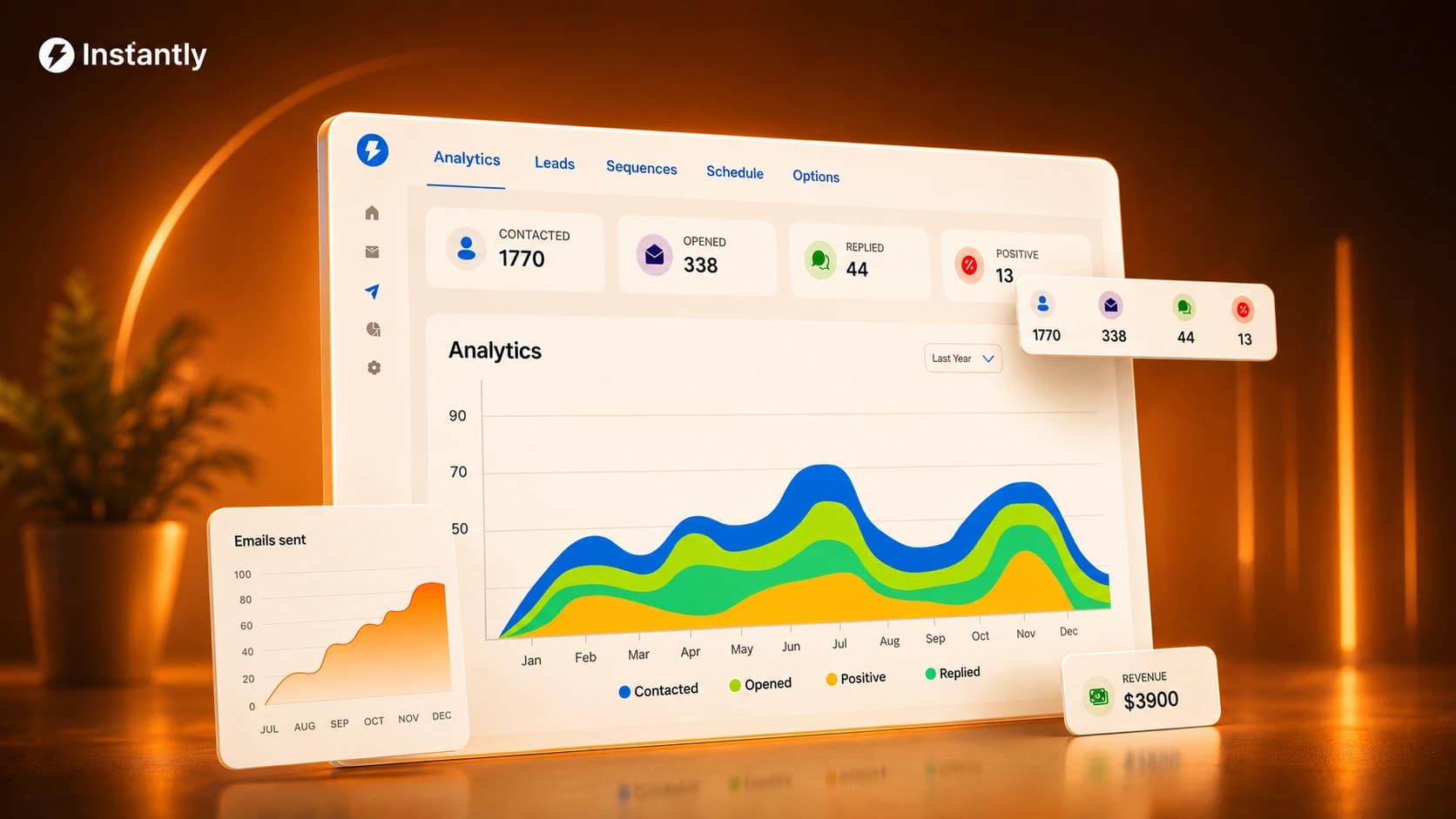

95%
Enrichment Accuracy
40%
Faster Lead-to-Contact
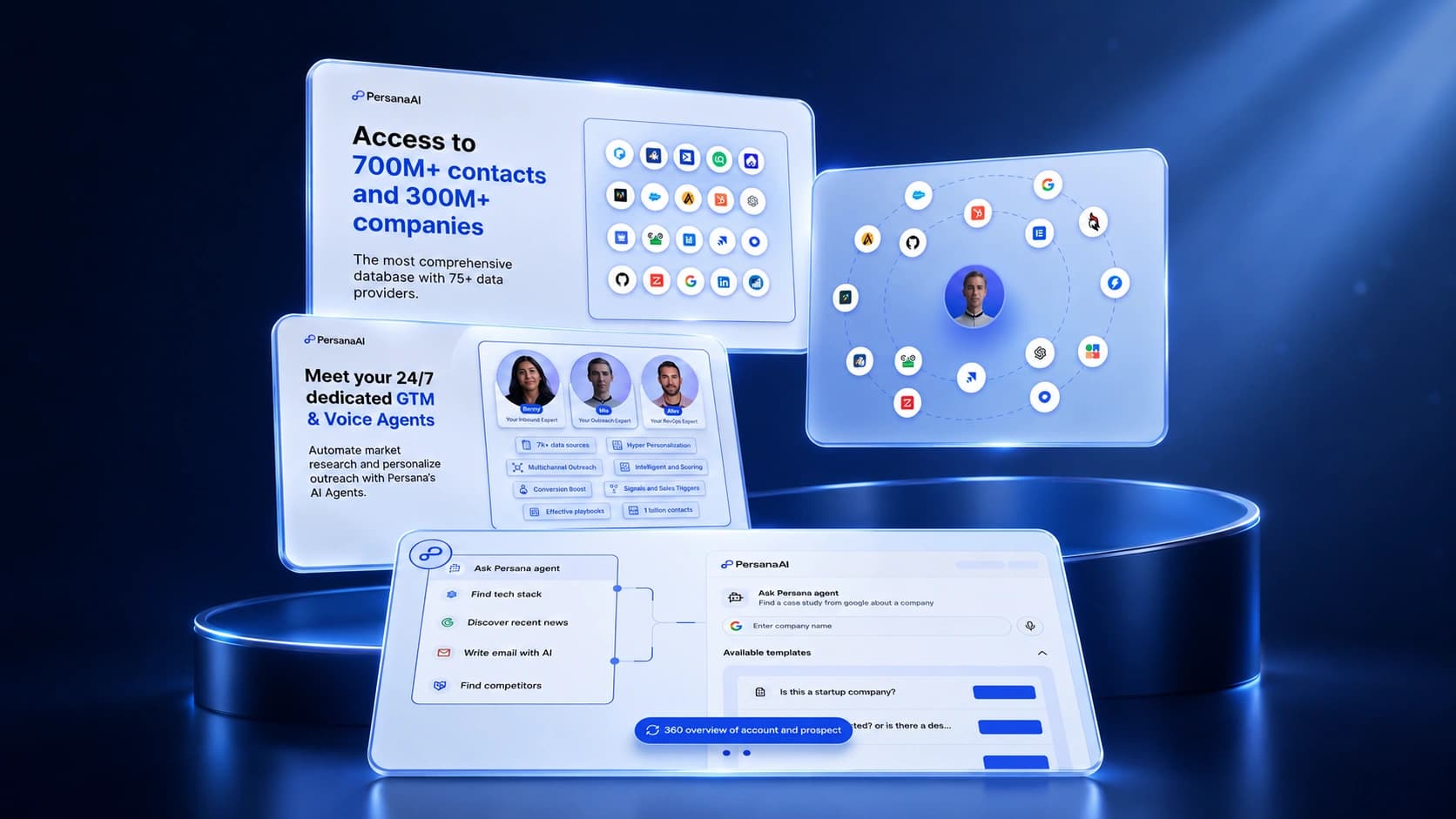

10+ hrs
Saved per advisor weekly
50%
Less manual follow-up
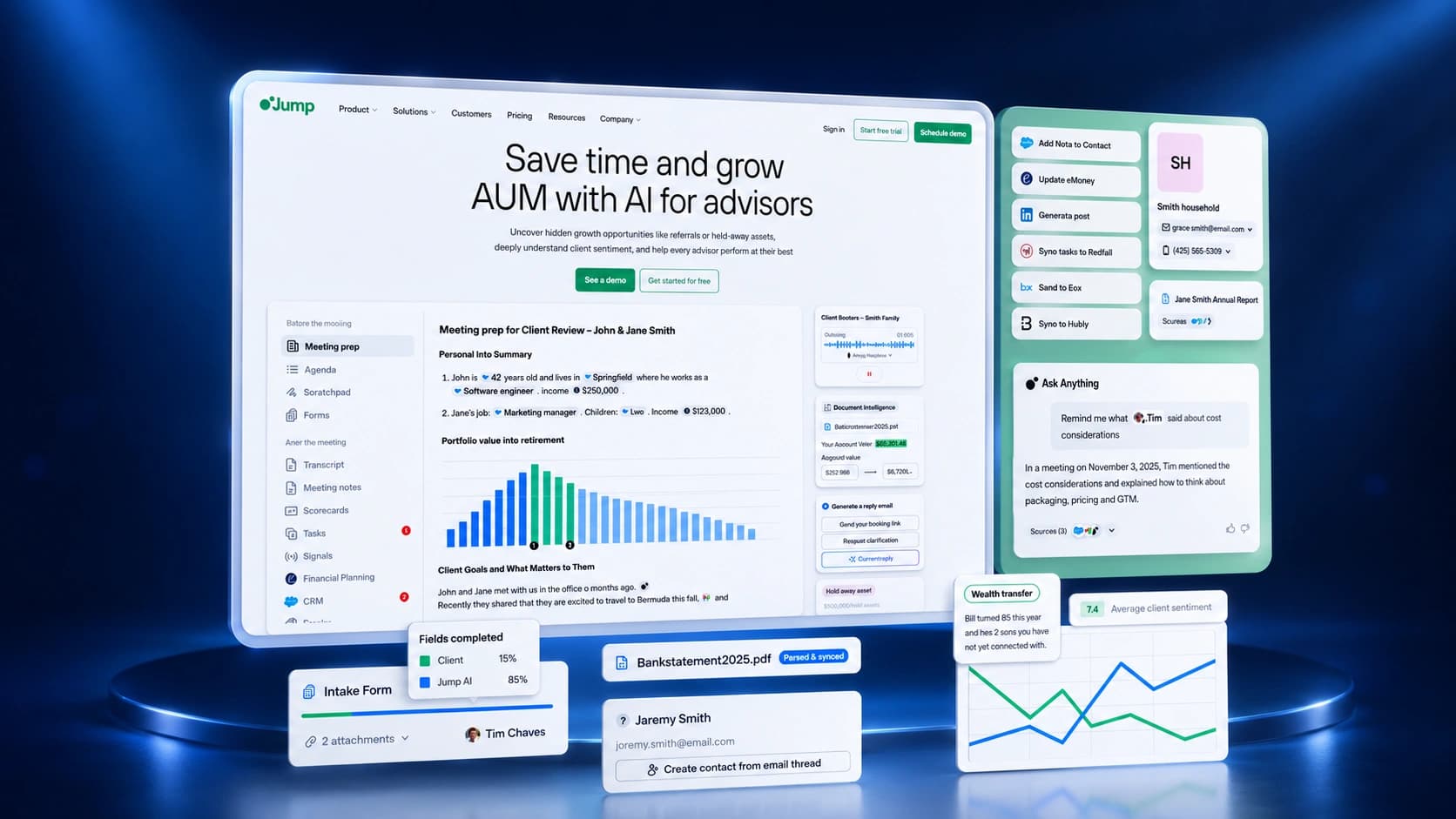
No selected quotes and no marketing edits. These are the words clients used in their own reviews about the conversational AI systems we built and shipped for them.
"The Pinnasys team was excellent to work with throughout our custom AI development project. Professional, responsive, and consistently delivered high-quality work. Their technical skills, communication, and attention to detail exceeded our expectations."
Owner & President, Gillette Agency, Inc
DOCUMENTS
documents automated
COST
support cost cut
SPEED
faster quoting
Book a discovery call or send us a message to discuss your goals. We'll evaluate your workflows, uncover high-impact AI opportunities, estimate the potential business value, and provide a clear, unbiased recommendation on the best path forward.
Book a discovery callEvery conversation is a record. Treat it like one. Conversational AI creates transcripts, and transcripts contain customer data. We design the controls before launch, because retrofitting them after a regulator asks is far more expensive.


Every conversation logged and traceable: what was asked, what the assistant retrieved, what it answered, and where a person took over. You can reconstruct any interaction.


Personal and payment data stripped from transcripts and logs, with role-based access so only the people who need a conversation can read it.


Customers are told they are speaking with an assistant, and given a route to a person. Regulators increasingly require it, and it costs you nothing in trust when the assistant is good.


Where conversation data is processed and stored, decided with you up front rather than inherited from a platform's default region.


HIPAA compliance for AI in healthcare conversations, and the equivalent controls for insurance and financial services, designed in rather than bolted on.
Human-in-the-loop on anything carrying money, risk, or a judgment call. The assistant does what is safe on its own and asks for the rest.
Every conversation logged and traceable: what was asked, what the assistant retrieved, what it answered, and where a person took over. You can reconstruct any interaction.
Model and framework agnostic, chosen per use case. Claude is where our deepest expertise sits as a Claude Service Partner, and we design retrieval around your material instead of fitting your business to one vendor's index.
 Anthropic Claude
 OpenAI GPT
 Google Gemini
 Meta Llama
 Mistral AI
 Cohere
 Hugging Face
 Ollama
 vLLM
vLLMPractical articles to help you evaluate, plan, and deploy conversational AI in your business.
The questions buyers ask us most often before committing to a conversational AI build, answered plainly.
Modern conversational AI handles more than typed text. The same assistant can take a voice call, read an uploaded document or photo, and continue the conversation in chat. We add a channel or a modality when it removes real friction for your customers, not because the technology allows it.
Increasingly yes, and we design for it either way. Disclosure is becoming a legal requirement in several jurisdictions, and in practice it costs nothing when the assistant is genuinely useful. What damages trust is a customer discovering it late, after being stuck in a loop with no route to a person.
An enterprise chatbot is connected to the systems a business actually runs on, so it can look up an order, check a policy, or update a record rather than only answering from a script. It also has the access control, logging, and evaluation that a business needs before letting software talk to customers. That connection and control is most of the work in enterprise chatbot development.
Conversational AI understands what a person means in plain language, then answers from your systems or completes the task. A basic chatbot matches keywords against a script and returns a fixed reply. The practical difference is resolution: a scripted bot usually deflects a request, while a conversational AI assistant connected to your data can finish it.
It takes the handful of contact reasons that repeat every day, such as order status, returns, policy questions, and account changes, and resolves them without a person. For most mid-market teams a small number of contact reasons account for the majority of volume, so automating three or four properly moves cost more than automating twenty badly.
Conversational AI consulting is deciding what is worth automating before anything is built. We rank your contact reasons by volume and handling time, estimate what each would return, design where a person takes over, and give you a build-or-do-not-build recommendation with a cost and a return attached. You keep the plan whether or not you build with us.
You need both, and ideally the same team. Conversational AI consultants tell you which conversations are worth automating; a conversational AI development company builds them. When those are two different firms, the plan often does not survive contact with production. Pinnasys does the advisory and the build, so the recommendation is costed by the people who have to ship it.
An assessment runs two to four weeks and ends with a plan. A first conversation type typically goes live within a few weeks after that, launched on a limited slice of traffic and measured before it is widened. Timelines depend on how accessible your content and systems are, which is one of the things the assessment establishes.
Yes, and it should. An assistant that cannot look up an order or update a record can only talk about the problem. We connect the assistant to the systems you already run so it can retrieve the real answer and take the action, rather than making your team switch tools.
Retrieval-augmented generation grounds each answer in your own documents rather than the model's general knowledge. The right setup depends on your content: how it is stored, how often it changes, and how precise the answers must be. We design retrieval around your material instead of fitting your business to one vendor's index.
Two things: grounding and evaluation. Every answer is retrieved from your approved content, and we test the assistant against your real past conversations before launch and continuously afterwards. Anything it cannot answer confidently goes to a person rather than being guessed at.
By design, not by accident. We decide in advance which requests a person handles, at what point, and with what context carried across, so the customer does not repeat themselves. Anything involving money, risk, or a judgment call is routed to a person as a rule.
Conversational AI is the interface: understanding the request and holding the conversation. An agent is what acts on it across multiple steps and systems. Most useful deployments are both, and we build them together. When the work behind the conversation needs to run autonomously, that sits with our agentic AI development service.
Ask what they measure. Most conversational AI vendors report deflection rate or session volume; ask instead for resolved requests and cost per contact, because the first pair can look healthy while your phone still rings. Also ask who owns the prompts, the retrieval setup, and the code at the end, and what happens if you leave.
You are ready when your answers exist somewhere written down and your systems can be reached by an API. If your policies live in people's heads or your order data cannot be queried, the honest first step is fixing that, not buying an assistant. We will tell you if that is where you are.
The common ones are content that is out of date, systems that are hard to reach, and a success metric that rewards deflection instead of resolution. None of them are model problems, which is why we assess content and system access before recommending a build.
We price to the outcome, not by the hour. We agree the result we are aiming for, usually a reduction in cost per contact on a defined set of conversations, and a price tied to the value it creates, before any work starts. The discovery call is where we scope that and put a number to it.
Book a discovery call or send us a message. You’ll leave knowing which contact reasons an assistant can resolve, what that would save, and an honest answer on whether to start at all.

Scan to message us WhatsApp